Choose injectable BPC-157 if: Your target is a tendon, ligament, joint, or muscle injury You need systemic anti-inflammatory or tissue repair effects Speed and reliability of delivery matter You are working within a structured peptide therapy protocol with a licensed provider Choose oral BPC-157 if: Your primary concern is gut health leaky gut, IBD, IBS, gastric ulcers You want high local GI concentrations, not systemic distribution You prefer non-invasive administration for long-term or maintenance use You are combining BPC-157 with another systemic peptide therapy Consider nasal delivery only if: Neurological applications are the clinical focus A licensed provider explicitly recommends it based on your presentation Injection is contraindicated and oral delivery is insufficient Do not choose a delivery method based on convenience alone
Dietary factors represent a significant risk category: Vegans and strict vegetarians, as B12 is naturally found almost exclusively in animal products Individuals with poor nutritional intake due to socioeconomic factors or eating disorders Elderly people with reduced dietary variety Pregnant and breastfeeding women following vegan diets (increased requirements) Gastrointestinal conditions that impair B12 absorption include: Pernicious anaemia (an autoimmune condition affecting intrinsic factor production) Crohn's disease, particularly affecting the terminal ileum Coeliac disease Previous gastric or ileal surgery (including bariatric procedures) Chronic atrophic gastritis Small intestinal bacterial overgrowth Pancreatic insufficiency (a less common cause) Medication-related risks include: Metformin therapy for type 2 diabetes (MHRA advises monitoring B12 levels) Long-term use of proton pump inhibitors (PPIs) or H2-receptor antagonists (consider testing if symptomatic or with additional risk factors) Other at-risk groups include: Older adults (over 60 years), due to reduced gastric acid production Individuals with autoimmune conditions (thyroid disease, vitiligo, Addison's disease) People with HIV infection Those with chronic alcohol misuse Recreational or occupational nitrous oxide users (causes acute functional B12 deficiency) Infants born to B12-deficient mothers, particularly if exclusively breastfed The MHRA specifically highlights the importance of monitoring B12 levels in patients on long-term metformin
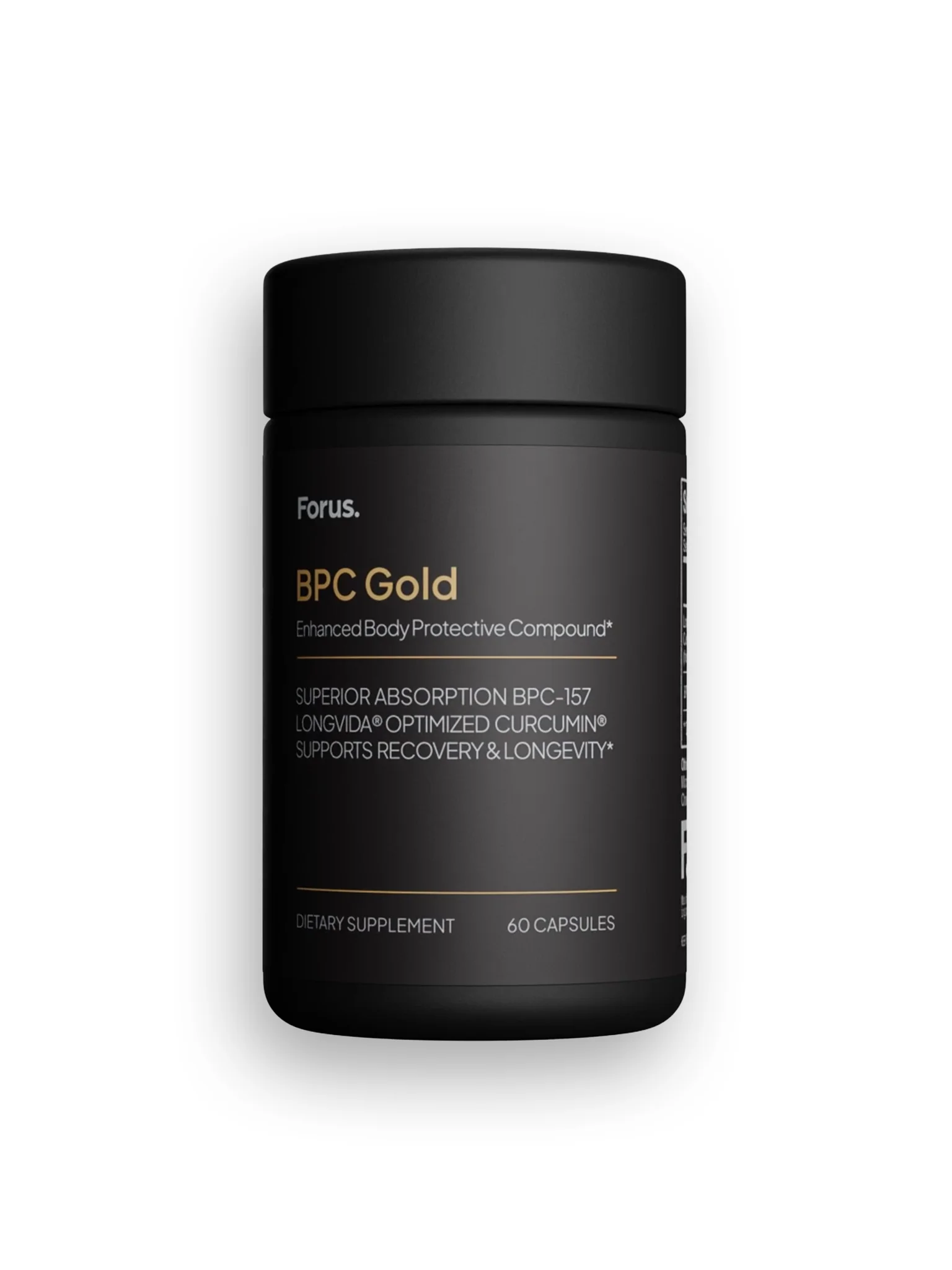
Recovery science, distilled into a focused research compound
As rehabilitation progresses and active training resumes (typically 8-12 weeks post-surgery depending on the procedure), the protocol transitions to maintenance dosing with cryotherapy reserved for higher-intensity training days